
0 CART
items in your cartto quote Checkout
Ooops no items were found.
Try something else.
Ok
Loading…

Winter Hydration: Why Your Office Feels Drier Than Outside


If your office feels dry every January — static shocks, scratchy throats, chapped hands — it isn't your imagination. Indoor heating wrings the humidity out of the air, and the effects on focus and comfort are real.

1. The Numbers Behind the Feeling

Comfortable indoor humidity is 30-50%. In a heated office in a Vermont February, indoor humidity can easily drop to 10-20%. That's drier than the Sahara. Your body notices.

2. Dehydration Climbs in Winter

People drink less water in cold weather — they don't feel thirsty the same way — but they're losing about as much through breathing dry air. Office complaints about headaches, fatigue, and eye strain spike every January for this reason.

3. Easy Access Beats Reminders

Telling people to drink water doesn't work. Putting a water cooler 15 feet from every desk does. The single biggest predictor of how much water people drink is how easy it is to get.

4. Warm and Room-Temp, Not Just Cold

Cold water is less appealing in January. A hot/cold/ambient dispenser — with hot for tea and ambient for everyday — drives more total hydration than a cold-only unit. People drink what's available in the format they want.

5. Humidifiers, Carefully

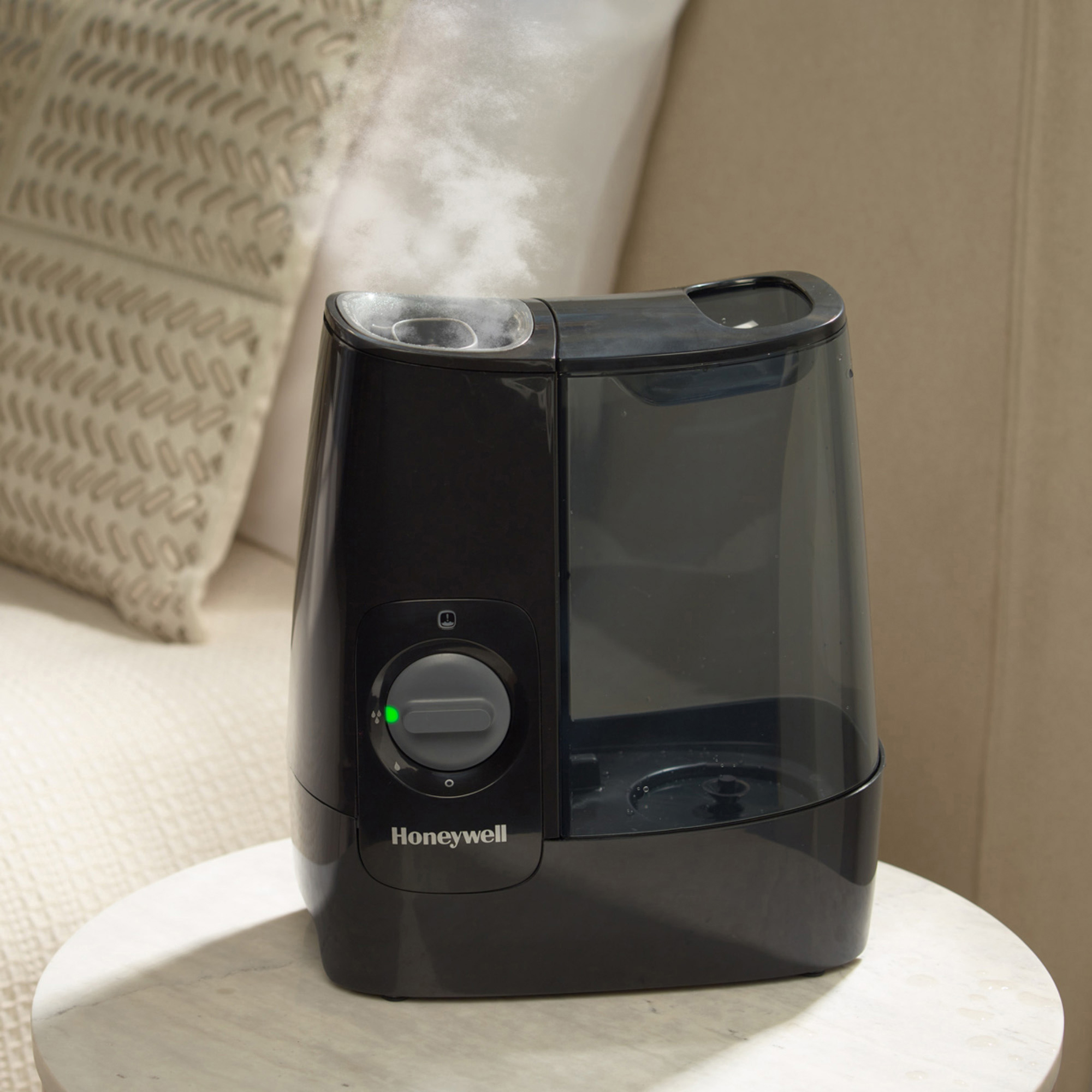
A whole-office humidifier in the HVAC system is the best solution. Smaller plug-in units help in conference rooms and reception. Just remember they need cleaning — a moldy humidifier is worse than a dry room. Set a maintenance schedule.

6. Lip Balm in the Supply Closet

Sounds silly. Isn't. A basket of lip balms and small lotions in the breakroom or restroom in January is a small gesture that team members notice and appreciate. It costs almost nothing and signals you've thought about how the season actually feels.

If you're curious whether filtration would work in your space, we can stop by, check the spot you have in mind, and lay out what installation and service would actually look like.

SEARCH ×

Search